
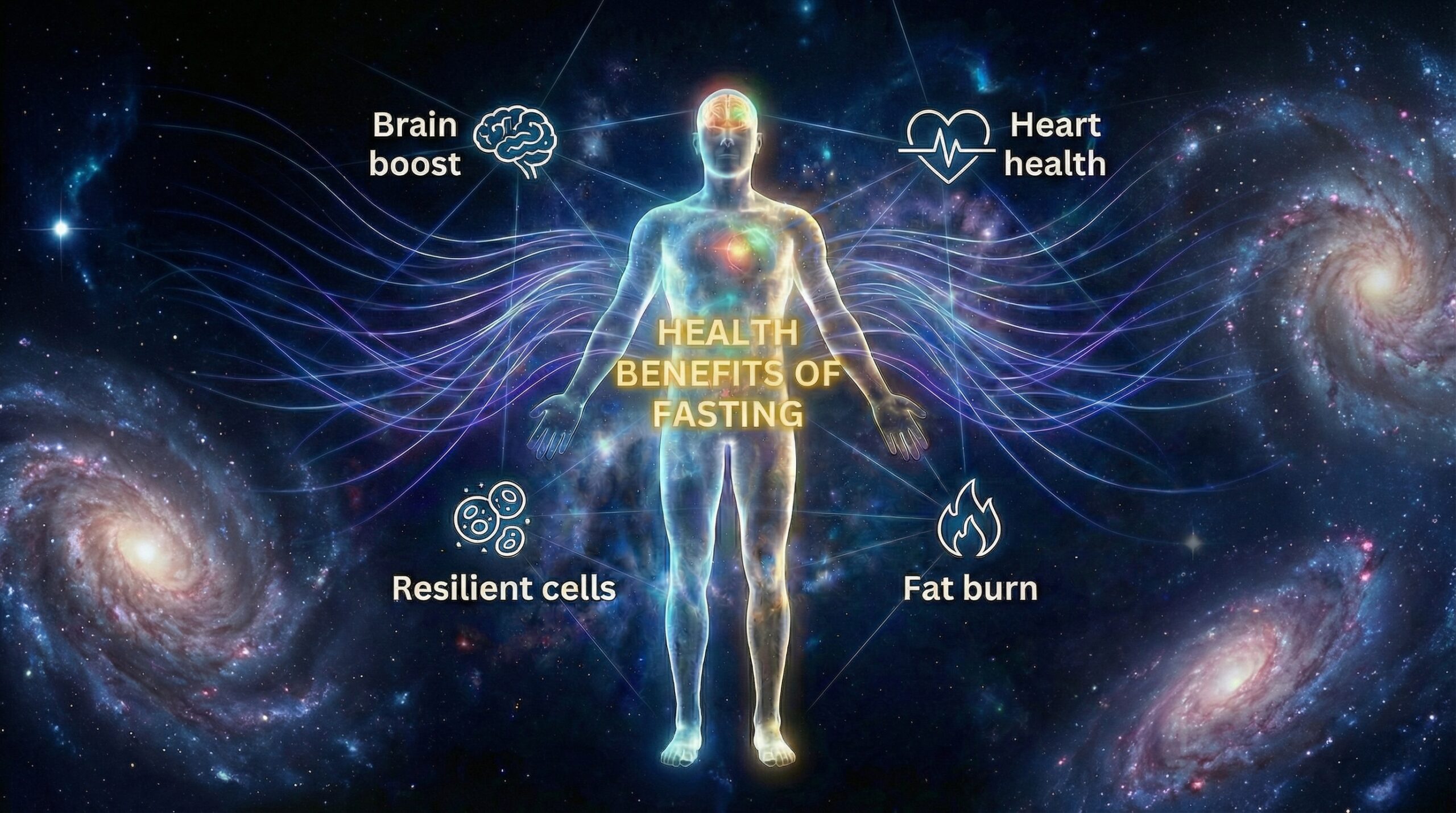
What if Ramadan fasting could do more than strengthen your spiritual discipline — what if it could actually transform your health from the inside out? While millions of people fast for religious reasons every year, science is now catching up and confirming what many have experienced: fasting isn’t just a tradition, it’s a powerful biological reset.
Ramadan fasting is a form of intermittent fasting (a pattern of eating where you cycle between fasting and eating periods), and research shows it can trigger major changes in the body. When you stop eating for several hours, your body switches from using glucose (sugar from food) to burning stored fat for energy — a process called metabolic switching (changing energy sources). At the same time, your body activates autophagy (a natural “cell cleanup” process where damaged cells are repaired or removed), reduces inflammation (internal stress linked to disease), and improves insulin sensitivity (how well your body controls blood sugar).
Scientific studies have linked fasting to a wide range of benefits, including weight loss, improved cholesterol levels, lower blood pressure, better blood sugar control, and reduced inflammation. These changes can significantly lower the risk of chronic diseases such as diabetes, heart disease, and obesity. Fasting also reduces oxidative stress (damage caused by harmful molecules in the body) and improves mitochondrial function (how your cells produce energy), which are both linked to aging and long-term health.
But it doesn’t stop there. Fasting may also improve brain function by increasing BDNF (brain-derived neurotrophic factor — a protein that helps brain cells grow and stay healthy), which can enhance memory, focus, and mental clarity. It can also help regulate hunger hormones like ghrelin (hunger hormone) and leptin (fullness hormone), making it easier to manage appetite over time.
However, the benefits of fasting depend on your lifestyle. What you eat during non-fasting hours, your sleep, and your activity level all play a major role in the results. Done correctly, fasting can act as a powerful natural tool for improving both physical and mental health.
In this article, we break down 20 proven health benefits of Ramadan fasting backed by scientific research, explaining exactly how fasting affects your body — in a simple and easy-to-understand way.
1. Improved body composition (weight, fat mass, visceral fat)
A study looked at how Ramadan fasting (a type of intermittent fasting, meaning eating only during certain hours of the day) affects health in healthy adults. The results were actually pretty impressive. People who fasted during Ramadan saw a drop in body weight and body mass index (BMI, which is a measure of body fat based on height and weight), meaning they lost some weight and fat. Their body fat percentage (how much of your body is fat) also decreased, which is a good sign for overall health. On top of that, their cholesterol levels improved — specifically, LDL cholesterol (the “bad” cholesterol that can clog arteries) and triglycerides (a type of fat in the blood) went down, while HDL cholesterol (the “good” cholesterol that protects your heart) slightly increased. The study also found a decrease in inflammatory markers (substances in the body that increase when there is stress or inflammation, which is linked to diseases like heart disease), suggesting that fasting may help reduce long-term health risks. Overall, the research shows that Ramadan fasting can improve weight, heart health, and inflammation levels, even in people who are already healthy — although results can vary depending on what and how much you eat after fasting.
👉 Key Takeaway
↓ Body weight, BMI, and body fat
↓ LDL cholesterol and triglycerides
↑ HDL cholesterol
↓ Inflammatory markers
2. Weight Loss and Reduced Cholesterol
This study is a systematic review and meta-analysis (a study that combines results from multiple studies to get stronger conclusions) on Ramadan fasting. It found that most people lose a small but meaningful amount of weight during Ramadan, mainly due to reduced eating time and changes in metabolism. The average weight loss was around 1 to 1.5 kg during the fasting period, especially in the first half of Ramadan.
However, here’s the catch: many participants regained the lost weight within a few weeks after Ramadan, meaning the benefit depends a lot on lifestyle after fasting ends. The study also showed improvements in cholesterol levels, with reductions in total cholesterol and LDL cholesterol, which are important for heart health. Check out our article on structured weight loss programs.
👉 Key Takeaway
Average weight loss: ~1–1.5 kg during Ramadan
↓ Total cholesterol
↓ LDL (“bad”) cholesterol
3. Improved Glycemic Control
This study focused on how fasting impacts blood sugar control (glucose regulation), especially important for people at risk of diabetes. It found that fasting improved glycemic control (how stable your blood sugar levels are over time) and increased insulin sensitivity (how well your body responds to insulin, the hormone that lowers blood sugar).
When insulin sensitivity improves, your body needs less insulin to control blood sugar, which reduces the risk of developing type 2 diabetes. The study also showed reductions in fasting blood glucose (blood sugar levels after not eating) and HbA1c (a marker that shows average blood sugar levels over the past 2–3 months).
👉 Key Takeaway
↓ Fasting blood glucose
↓ HbA1c levels
↑ Insulin sensitivity
4. Reduced Blood Pressure
Fasting has been shown to lower blood pressure (the force of blood pushing against artery walls), which is one of the main risk factors for heart disease and stroke. When you fast, your body undergoes several changes, including reduced insulin levels, decreased fluid retention, and improved blood vessel function. All of these contribute to lowering blood pressure.
Research indicates that fasting can reduce both systolic blood pressure (top number — pressure when the heart contracts) and diastolic blood pressure (bottom number — pressure when the heart relaxes). Even small reductions in blood pressure can have a significant impact on reducing cardiovascular risk. This makes fasting a potential non-medication strategy for improving heart health.
👉 Key Takeaways
↓ Systolic blood pressure
↓ Diastolic blood pressure
Improved vascular function
5. Ramadan Fasting Improves Lipid Profile (LDL, HDL, triglycerides)
Ramadan Fasting has a direct impact on lipid metabolism (how your body processes fats). Research shows that it reduces LDL cholesterol (low-density lipoprotein — “bad” cholesterol that builds up in arteries) and triglycerides (fat molecules in the blood linked to heart disease), while increasing HDL cholesterol (high-density lipoprotein — “good” cholesterol that helps remove excess fat).
These changes happen because fasting forces your body to use stored fat for energy instead of constantly storing it. Over time, this improves cholesterol balance and reduces the risk of atherosclerosis (plaque buildup in arteries). A healthier lipid profile is one of the strongest predictors of long-term cardiovascular health.
👉 Key Takeaways
↓ LDL cholesterol
↓ Triglycerides
↑ HDL cholesterol
6. Reduced Systemic Inflammation
Fasting reduces chronic inflammation (long-term low-level immune activation that damages tissues), which is a major contributor to diseases like diabetes, heart disease, and cancer. When you fast, your body produces fewer inflammatory molecules and shifts toward a more balanced immune response.
Research has shown reductions in markers such as CRP (C-reactive protein — a key inflammation marker), IL-6, and TNF-α (proteins that signal inflammation in the body). Lower levels of these markers indicate reduced internal stress and better overall health. Since chronic inflammation is often “silent,” reducing it can have huge long-term benefits.
👉 Key Takeaways
↓ CRP levels
↓ IL-6 and TNF-α
Improved immune balance
7. Reduced Oxidative Stress
Ramadan Fasting helps reduce oxidative stress (damage caused by free radicals — unstable molecules that harm cells). These free radicals are produced during normal metabolism, especially when food intake is constant. When oxidative stress is high, it can damage DNA, proteins, and cell membranes, accelerating aging and disease.
By reducing food intake and improving metabolic efficiency, fasting decreases the production of these harmful molecules. It also increases antioxidant defenses (substances that neutralize free radicals). This balance helps protect cells and tissues, reducing the risk of chronic diseases like cancer and cardiovascular disease.
↓ Oxidative stress markers
↑ Antioxidant activity
↓ Cellular damage
8. Ramadan Fasting Improves Cardiovascular Health
Fasting improves overall cardiovascular health (heart and blood vessel function) by targeting multiple risk factors at once. It reduces body weight, lowers blood pressure, improves cholesterol levels, and decreases inflammation. This combined effect makes fasting particularly powerful for preventing heart disease.
Instead of focusing on one pathway, fasting works on several systems simultaneously. By improving metabolic health and reducing stress on the cardiovascular system, it helps maintain healthy arteries and proper blood flow, lowering the risk of heart attacks and strokes.
👉 Key Takeaways
↓ Blood pressure
↓ LDL cholesterol
↓ Inflammation
↓ Cardiovascular risk factors
9. Activation of Autophagy (Cellular Repair)
Fasting activates autophagy (a cellular process where damaged components are broken down and recycled). When nutrients are scarce, the body shifts from growth mode to maintenance mode, cleaning out damaged proteins and dysfunctional cells.
This process helps prevent the buildup of harmful materials that can lead to diseases such as cancer and neurodegeneration. Autophagy is often described as a “cellular detox,” and fasting is one of the most effective natural ways to activate it. This is one of the main reasons fasting is linked to longevity.
👉 Key Takeaways
↑ Autophagy activity
↑ Cellular repair
↓ Damaged cellular components
10. Improved Metabolic Flexibility
Ramadan Fasting improves metabolic flexibility (your body’s ability to switch between burning glucose and fat for energy). When you eat constantly, your body relies mostly on glucose (sugar) and becomes less efficient at burning fat. During fasting, once glucose stores are depleted, your body shifts to using fat and ketones (energy produced from fat breakdown) as fuel.
Research shows over time, this makes your metabolism more adaptable and efficient. Instead of crashing when you haven’t eaten, your body smoothly switches energy sources. Poor metabolic flexibility is linked to obesity and insulin resistance, so improving it helps stabilize energy levels, improve fat loss, and support overall metabolic health.
👉 Key Takeaways
↑ Fat oxidation (fat burning)
Improved energy regulation
Better glucose-fat switching
11. Improved Gut Microbiome Composition
Fasting can reshape the gut microbiome (the community of bacteria living in your digestive system). These bacteria play a huge role in digestion, immunity, metabolism, and even mental health. The timing of meals affects which bacteria thrive and how they function.
Research suggests that fasting promotes the growth of beneficial bacteria while reducing harmful ones. This shift can improve digestion, reduce inflammation, and enhance metabolic health. Since gut bacteria are linked to conditions like obesity, diabetes, and mood disorders, improving the microbiome can have wide-reaching effects across the entire body.
👉 Key Takeaways
↑ Beneficial gut bacteria
↓ Harmful bacteria
Improved gut balance
12. Reduced Liver Fat (NAFLD improvement)
Fasting in Ramadan can help reduce liver fat, which is especially important in NAFLD (non-alcoholic fatty liver disease — fat buildup in the liver unrelated to alcohol use). This condition is increasingly common and is closely linked to obesity and insulin resistance.
When you fast, your body uses stored fat for energy, including fat stored in the liver. This reduces liver fat content and improves liver function. Over time, this can prevent progression to more serious liver conditions such as inflammation or liver damage, making fasting a useful strategy for metabolic health.
↓ Liver fat content
Improved liver function
Better metabolic markers
13. Improved Appetite Regulation
Fasting helps regulate hunger by affecting hormones like ghrelin (the hormone that makes you feel hungry) and leptin (the hormone that signals fullness). When you eat frequently, these hormones can become dysregulated, leading to constant hunger and overeating.
By spacing out meals, fasting allows these hormones to reset. Many people find that after an adjustment period, they feel less hungry and more satisfied with smaller meals. This improved appetite control makes it easier to maintain a healthy diet without relying on strict calorie counting.
- Improved hunger control
- Reduced cravings
- Better satiety signals
14. Improved Mitochondrial Function
Fasting improves the efficiency of mitochondria (structures inside cells that produce energy). These “powerhouses” convert nutrients into energy, but they can become less efficient over time, especially with constant food intake and metabolic stress.
Research shows during fasting, the body enhances mitochondrial performance and reduces damage caused by energy production. This leads to more efficient energy use, less fatigue, and improved cellular health. Since mitochondrial dysfunction is linked to aging and chronic disease, improving their function may help maintain long-term health.
👉 Key Takeaways
↑ Energy efficiency
↓ Cellular damage
Improved mitochondrial performance
15. Enhanced cellular stress resistance
Fasting exposes the body to mild stress, which actually strengthens cells through a process called hormesis (beneficial adaptation to low-level stress). This makes cells more resilient and better able to handle damage.
When fasting, cells activate protective pathways that improve repair mechanisms and reduce inflammation. This increased resilience helps protect against diseases and improves the body’s ability to cope with metabolic and environmental stress. It’s similar to how exercise makes muscles stronger.
↑ Cellular resilience
Improved stress response
Better damage repair
16. Ramadan Fasting Improves hormonal regulation
Fasting in Ramadan significantly impacts hormones that control metabolism. It lowers insulin (the hormone that regulates blood sugar) and increases growth hormone (a hormone that helps build muscle and burn fat). Lower insulin levels reduce fat storage, while higher growth hormone supports fat breakdown and muscle maintenance.
It also improves sensitivity to hormones like leptin, which helps regulate appetite and energy balance. This hormonal shift creates an environment that favors fat loss, muscle preservation, and improved metabolic function.
↓ Insulin levels
↑ Growth hormone
Improved hormonal balance
17. Potential neuroprotective effects
Fasting may protect the brain against neurodegenerative diseases (conditions that damage brain cells, like Alzheimer’s and Parkinson’s). It reduces inflammation and oxidative stress in the brain, which are key contributors to these diseases.
Fasting also activates cellular repair processes and increases resistance to stress in neurons (brain cells). These effects may help maintain brain function over time and reduce the risk of cognitive decline. While more human studies are needed, the evidence suggests strong protective potential.
↓ Brain inflammation
↓ Oxidative damage
↑ Neuronal protection
18. Improved cognitive function
Ramadan Fasting can enhance mental clarity, focus, and memory. One key mechanism is the increase in BDNF (brain-derived neurotrophic factor — a protein that supports the growth and survival of brain cells). Higher BDNF levels are linked to better learning and memory.
Additionally, during fasting, the brain uses ketones (energy derived from fat), which provide a more stable energy source than glucose. This can reduce brain fog and improve concentration. Many people report feeling more alert and focused during fasting periods.
↑ BDNF levels
Improved memory and focus
Increased mental clarity
19. Improved sleep patterns
Ramadan Fasting can influence circadian rhythms (your body’s internal clock that controls sleep and wake cycles). When combined with regular meal timing and reduced late-night eating, fasting may improve sleep quality.
Some studies, particularly during Ramadan, have shown improvements in sleep patterns when individuals maintain consistent routines. However, results can vary depending on lifestyle, meal timing, and sleep habits.
👉 Key Takeaways
- Improved sleep quality (in some cases)
- Better sleep timing
- More stable circadian rhythm
20. Potential longevity benefits of Ramadan Fasting
Fasting activates biological pathways associated with longer lifespan, including reduced oxidative stress, improved metabolic health, and activation of autophagy. These processes help protect cells from damage and maintain their function over time.
Animal studies show strong evidence that fasting can extend lifespan, and human research suggests it may reduce the risk of age-related diseases. While long-term human data is still limited, fasting is considered one of the most promising lifestyle interventions for healthy aging.
↑ Cellular repair (autophagy)
↓ Oxidative stress
Improved metabolic health
Leave a Reply