Deadly Nipah Virus Outbreak in India Sparks Global Fear Now
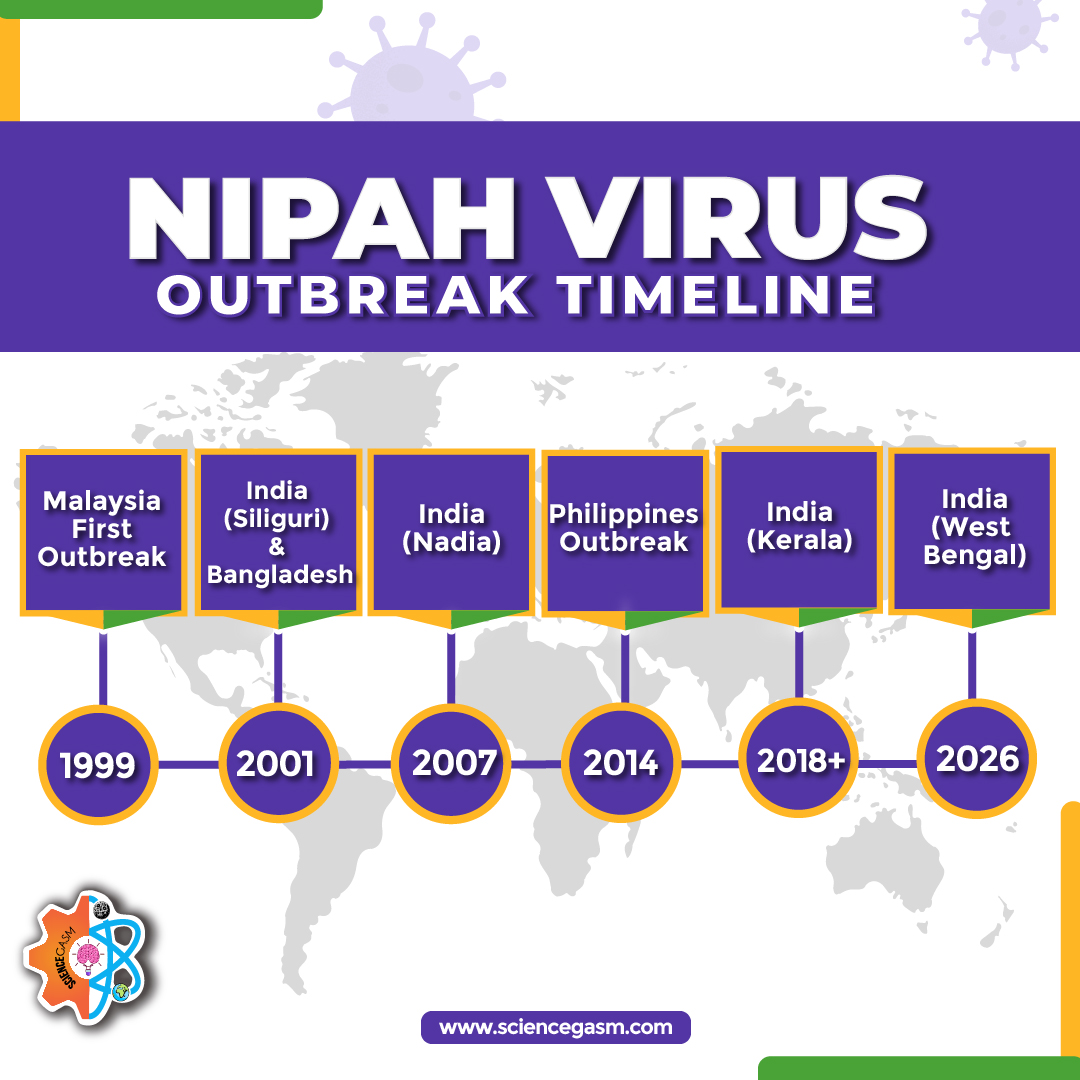
On 26 January 2026, two healthcare workers in West Bengal, North 24 Parganas district, tested positive for Nipah virus (a rare but deadly virus that comes from animals and can infect humans). One was very sick and needed a machine to breathe, while the other had brain-related symptoms but is now doing better. Over 190 people who were in close contact got tested and all were negative (so that’s good news). This is the third Nipah outbreak in this area, and health officials are on high alert. Previous outbreaks are as follows:
- 1998-1999 Malaysia
- 2001 (Siliguri, India & Bangladesh)
- 2007 (Nadia district, India)
- 2014 Philipines
- 2018+ Kerala, India
- 2026 West Bengal, India
🦠What Happened in 2026 Nipah Virus Outbreak
The virus was confirmed using RT-PCR (a lab test that finds virus genetic material) and ELISA (a blood test that looks for immune response to infection). Both patients were young nurses in their 20s who got sick in late 2025. After that, authorities tracked and tested everyone they were around (called contact tracing, basically checking everyone they interacted with) — and no new cases were found so far.
📊 How Nipah Virus Spreads and Affects People
Nipah is a zoonotic disease 😲(a disease that jumps from animals to humans). It mostly comes from 🦇 fruit bats (big bats that carry the virus naturally) or food contaminated with bat saliva or pee (gross but important). It can also spread through close contact with sick people.
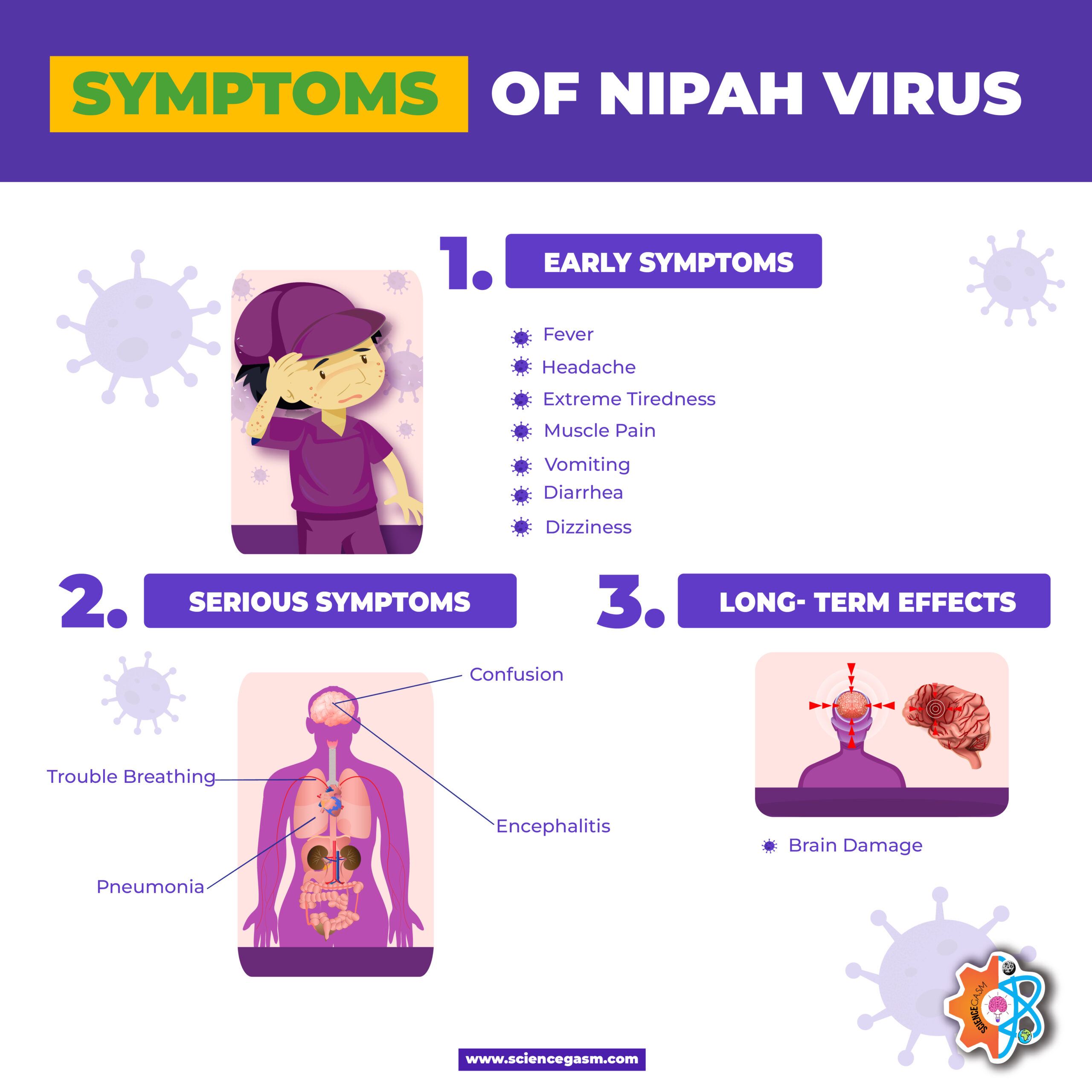
Symptoms start like flu — fever, headache, muscle pain — then can turn into encephalitis (brain swelling that can cause confusion, seizures, or coma) or breathing problems. Some people barely feel sick, others get very ill fast.
🚑 What Health Authorities Are Doing to Control the Outbreak
India jumped into action fast. They tracked contacts, boosted hospital safety rules, tested everyone quickly, and increased surveillance (basically watching closely for new cases). They also educated communities on how to stay safe and trained doctors to spot Nipah early. WHO is helping monitor everything and sharing updates globally.
⚠️ How Dangerous This Outbreak Is According to WHO
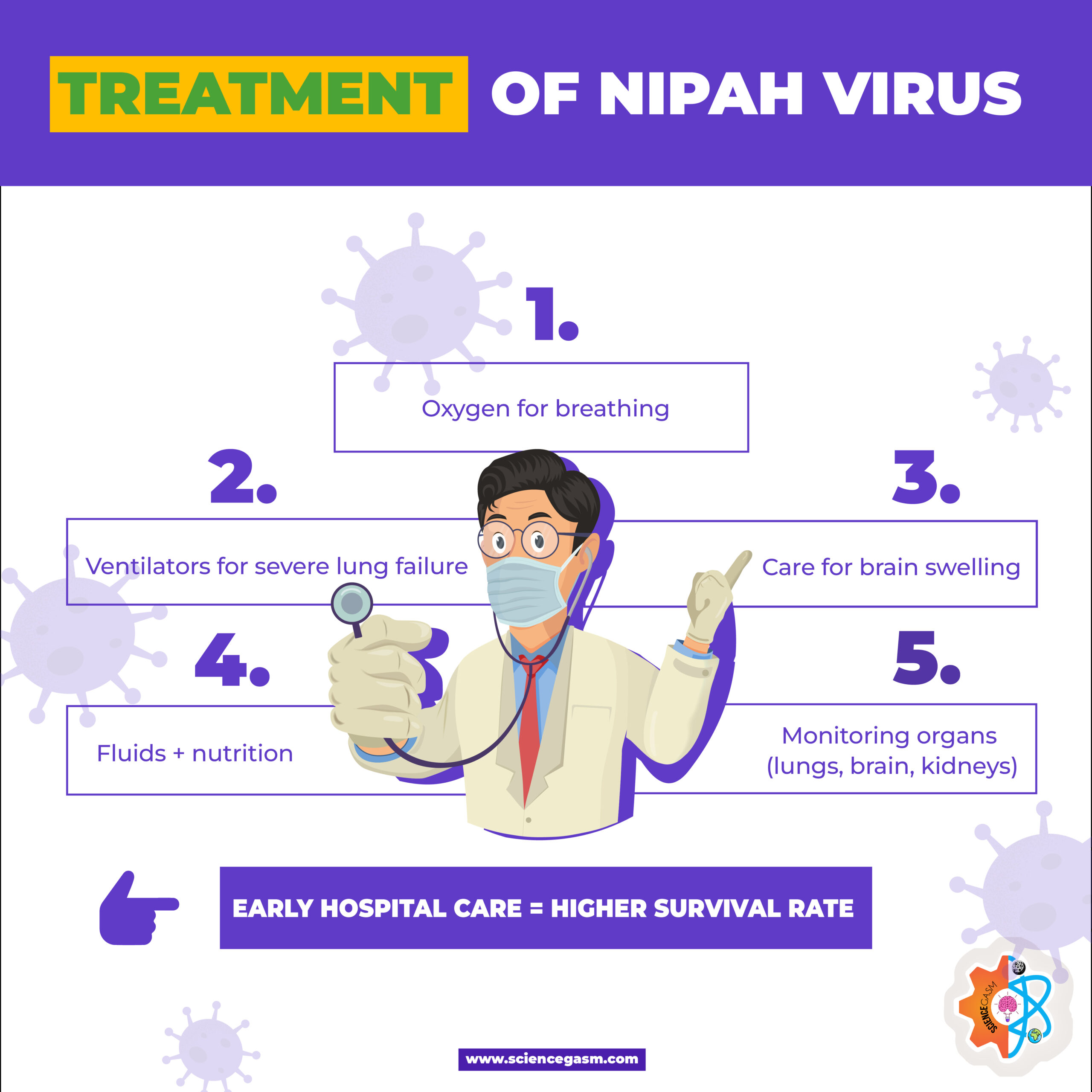
WHO says Nipah is serious but still limited right now. The case fatality rate (the percent of people who die from it) can be super high — up to 75% in some outbreaks. There’s no vaccine or cure yet, only supportive care (meaning doctors treat symptoms and keep patients stable).
Right now:
• Risk in the affected area = moderate
• Risk for rest of India + world = low
So scary, but not spreading wildly.
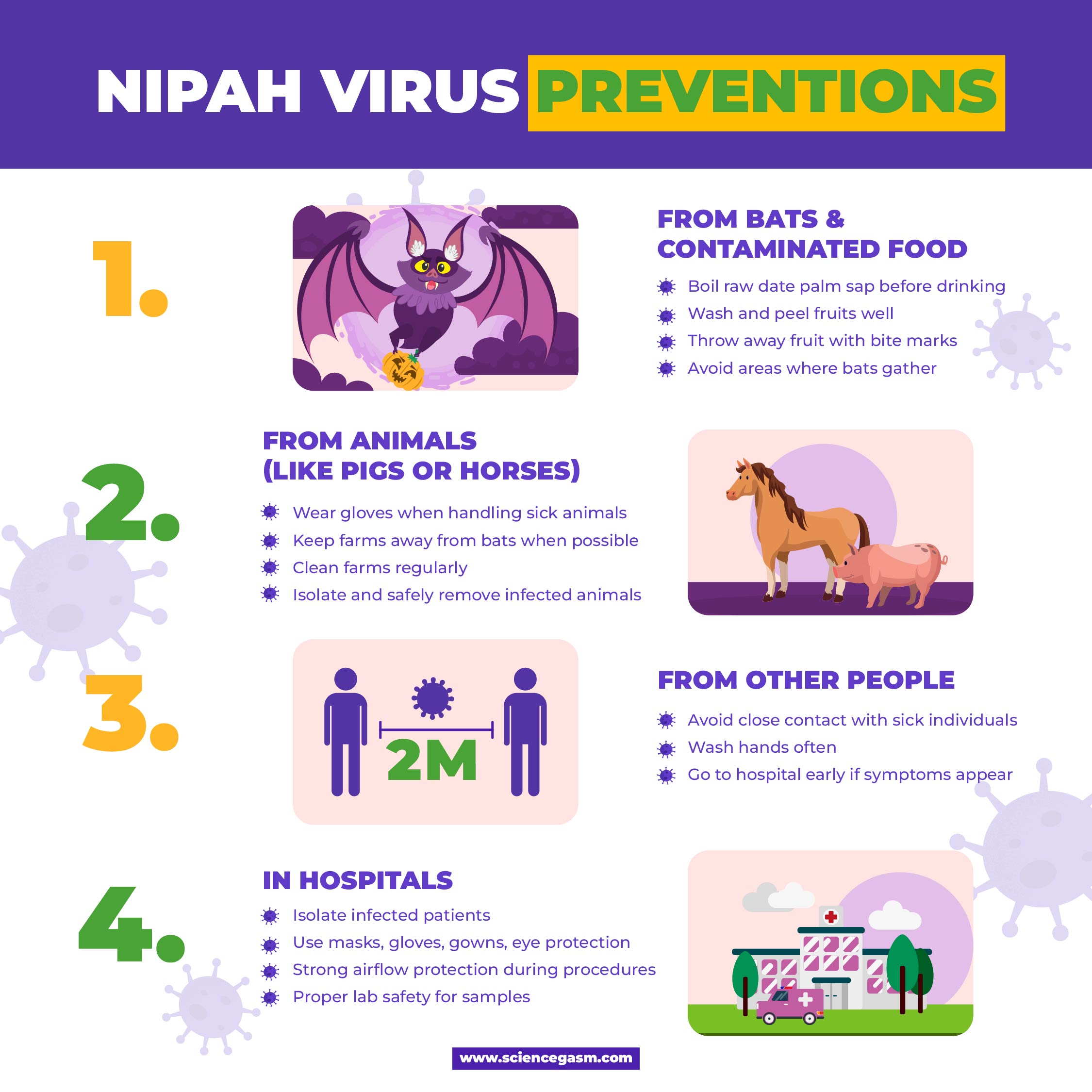
🧭 How to Stay Safe and Prevent Nipah Virus
Since there’s no vaccine, prevention is everything. That means avoiding contaminated food, staying away from sick people, washing hands a lot, and getting medical care early if symptoms start. Hospitals also have to be extra careful to stop spread between patients.
🦇 How to Avoid Getting the Virus From Bats or Food
Bats love fresh fruit and date palm sap (sweet tree juice people drink in some regions). To stay safe:
• Boil raw sap before drinking
• Wash and peel fruits
• Throw away fruit with bite marks
• Avoid areas where bats hang out
Basically: if bats touched it, don’t eat it.
🤝 How to Prevent the Virus From Spreading Between People
Avoid close contact with infected people (no hugging, sharing drinks, etc). Wash hands often. Caregivers should use protection like masks and gloves. If someone feels sick with Nipah-like symptoms, they should go to a hospital ASAP — early care saves lives.
🏥 How Hospitals Are Protecting Patients and Workers
Healthcare workers use infection prevention and control (hospital safety rules to stop disease spread) like masks, gloves, gowns, and eye protection. For risky procedures, they use special respirators (stronger masks). Patients are kept in separate rooms to avoid spreading the virus. Labs handling samples are specially equipped for dangerous viruses.
➡️ Could This Be the New Covid?
Here’s the big difference:
Nipah virus = high danger, low spread
COVID = lower danger (per person), insanely high spread
Nipah usually spreads through:
• close contact with body fluids (saliva, blood, etc)
• contaminated food (like fruit bats touching it)
• caregiving situations (hospitals, family care)
Health experts (including the World Health Organization) consistently say:
• outbreaks stay small
• no fast community spread
• no global explosion so far (over 25+ years)
Even in this outbreak:
👉 190+ close contacts tested = all negative, that’s a really good sign.
People still take Nipah virus very seriously because when someone does get infected, it can hit really hard and turn dangerous fast. It can cause encephalitis, brain swelling that can lead to confusion, seizures, or even coma, and it can also trigger severe respiratory failure, meaning the lungs struggle to get enough oxygen to the body. On top of that, there’s currently no vaccine or specific cure for Nipah, which makes early action super important. That’s why health systems move quickly to track cases, isolate patients, and stop the virus from spreading — and that fast response is exactly what happened in this outbreak. Make sure to check out this 🤯 health care risk related to what you might be feeding yourself!