Do Structured Weight Loss Programs Really Lower Blood Sugar?
A 2025 systematic review published in Primary Care Diabetes examined whether structured weight loss programs delivered in primary care actually lower HbA1c, a key marker of long-term blood sugar control, in adults with prediabetes.
Prediabetes affects hundreds of millions of adults worldwide
Most people don’t even know they have it. Left untreated, it often progresses to type 2 diabetes, increasing the risk of heart disease, kidney failure, and stroke. Because most people are diagnosed and followed in primary care, understanding what actually works in real-world clinics is critical.
Study reveals well-designed, intensive, or digital can lower blood sugar in prediabetes. The authors reviewed 7 studies conducted across the US, UK, Germany, the Netherlands, and New Zealand. These included randomized controlled trials, cohort studies, and pilot programs—all based in primary care settings.
They focused specifically on:
- Adults with prediabetes
- Structured weight-loss interventions (diet, exercise, behavioral support, or digital programs)
- Change in HbA1c as the main outcome
Because the studies varied widely, the researchers used a narrative synthesis rather than a meta-analysis.
📈 The Exploding Weight-Loss Industry: Big Business Built on Rising Demand
The numbers behind the weight-loss industry reveal just how massive — and fast-growing — this market has become. Globally, it expanded from $169 billion in 2016 to a projected $279 billion by 2023, marking an enormous surge in just seven years. Consequently, this rapid growth reflects increasing concerns around obesity, diabetes, and blood sugar control, driving millions toward structured weight-loss programs, meal plans, supplements, and coaching services. While this booming industry promises better health and metabolic improvements, it also raises an important question: are these programs truly improving blood sugar levels — or simply capitalizing on a growing health crisis?

Intensity of Weight Loss Programs Matter: More support = Better results
Programs with frequent behavioral sessions or sustained engagement led to greater improvements:
- One U.S. trial showed a dose-response effect: participants who attended more sessions had larger HbA1c reductions.
- This suggests lifestyle interventions behave a lot like medications—the “dose” matters.
- Digital platforms performed more than anticipated. With digital tools offering lower costs, frequent engagements without overloading clinics and offering easy and quick access to people who need help, making it easier to scale the operations of weight loss programs.
- Weight loss and blood sugar improve together.
- lifestyle counselling by nurses and GCs helps to promote awareness and lead to meaningful results.
Centre for Disease Control (CDC) Approved Weight Loss Programs
CDC-recognized Family Healthy Weight Programs (FHWPs) are evidence-based, family-centered interventions designed for children and adolescents aged 2–18 years with overweight or obesity, and are supported by peer-reviewed research demonstrating improvements in BMI or weight outcomes.
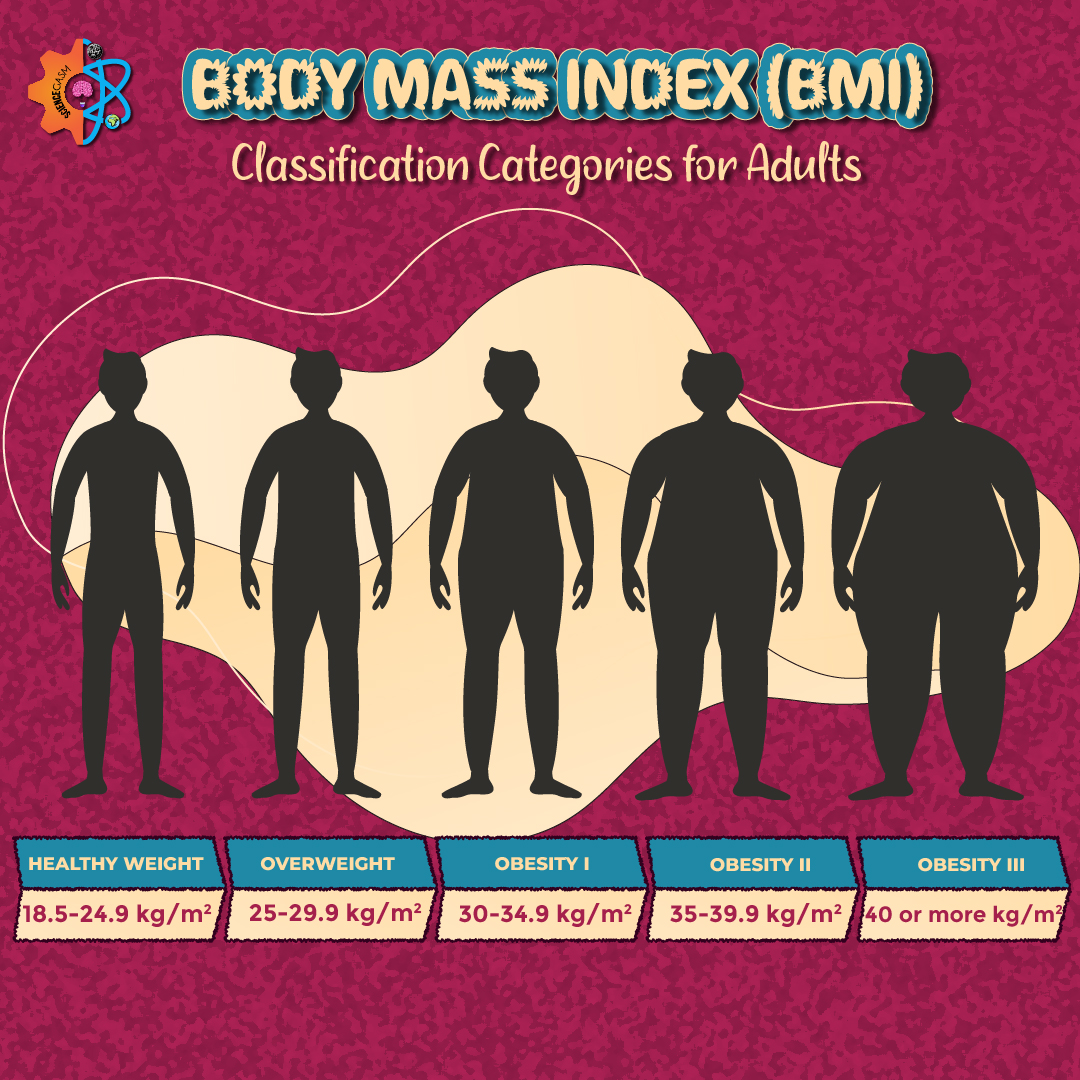
To meet CDC criteria, these programs must align with national guidelines (AAP and USPSTF), include behavioral strategies alongside nutrition and physical activity counseling, and deliver sufficient intensity—at least 26 contact hours over 3 to 12 months. They are packaged and ready for immediate use in healthcare, community, or public health settings, with standardized curricula, implementation materials, accessible contact information, and resources available in English or Spanish, making them practical, scalable options for childhood obesity treatment and prevention. The programs are as follows:
- Building Healthy Families
- Family-Based Behavioral Treatment (FBT)
- Fit Together
- Healthy Weight and Your Child
- Healthy Weight Clinic
- JOIN for ME
- Mind, Exercise, Nutrition…Do It! (MEND)
- Smart Moves for Kids (Bright Bodies)
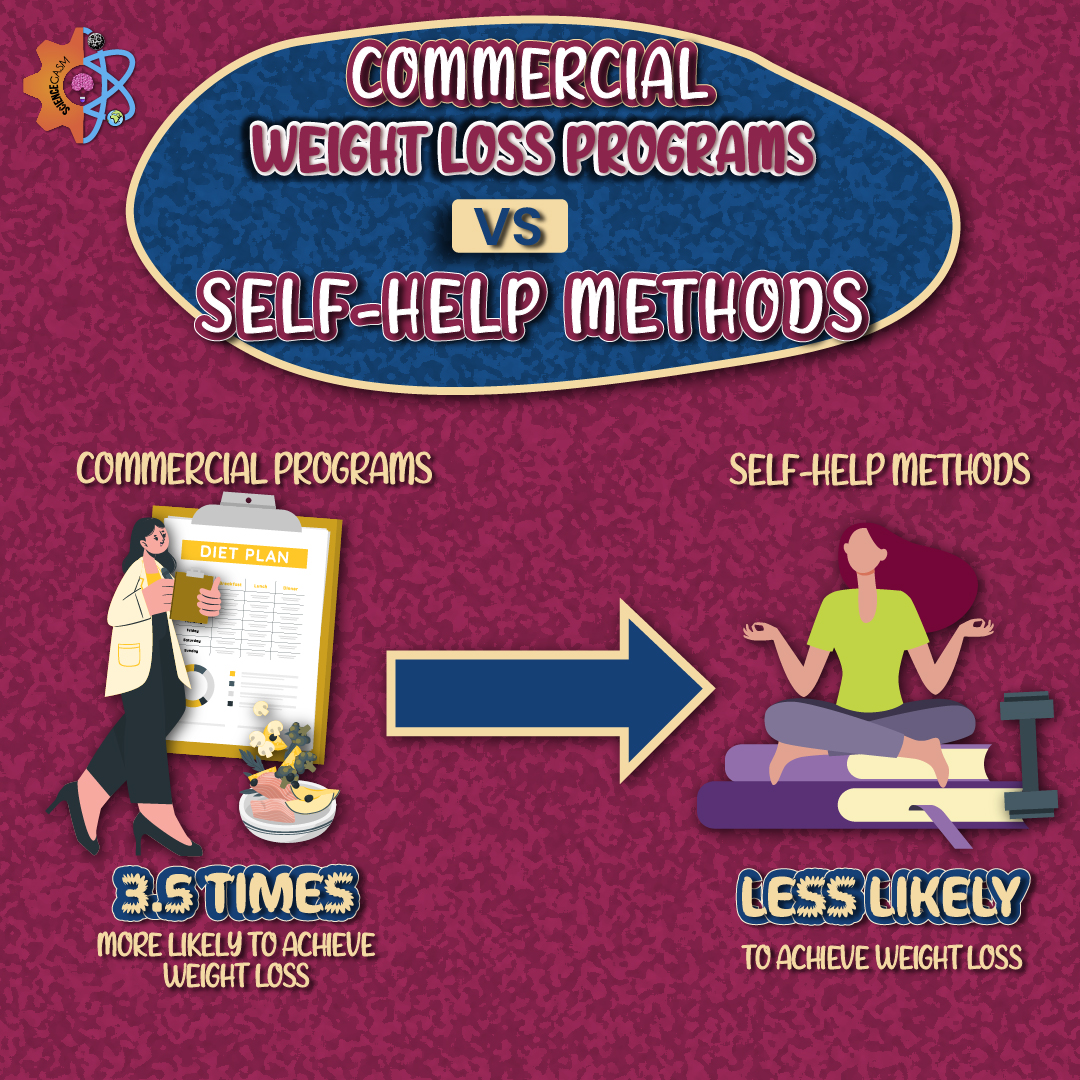
A study found that participants in the commercial program were 38 percentage points more likely to achieve at least 5% weight loss than those using self-help methods (53% vs 15%). Put another way, they were about 3.5 times more likely to lose ≥5% of their body weight compared with the self-help group. So getting yourself in a structured and intensive commercial weight loss program can be beneficial for your weight loss goals.
Canadian Adult Obesity Clinical Practice Guidelines
The Canadian Adult Obesity Clinical Practice Guidelines on commercial products and programs emphasize that while the commercial weight-loss industry is large and widely accessible, only a small number of structured commercial programs have evidence supporting modest, short- to medium-term weight loss in adults with overweight or obesity. Programs that combine nutrition guidance, physical activity, and behavioral support—notably:
- WW®
- Optifast®
- Jenny Craig®
- Nutrisystem®
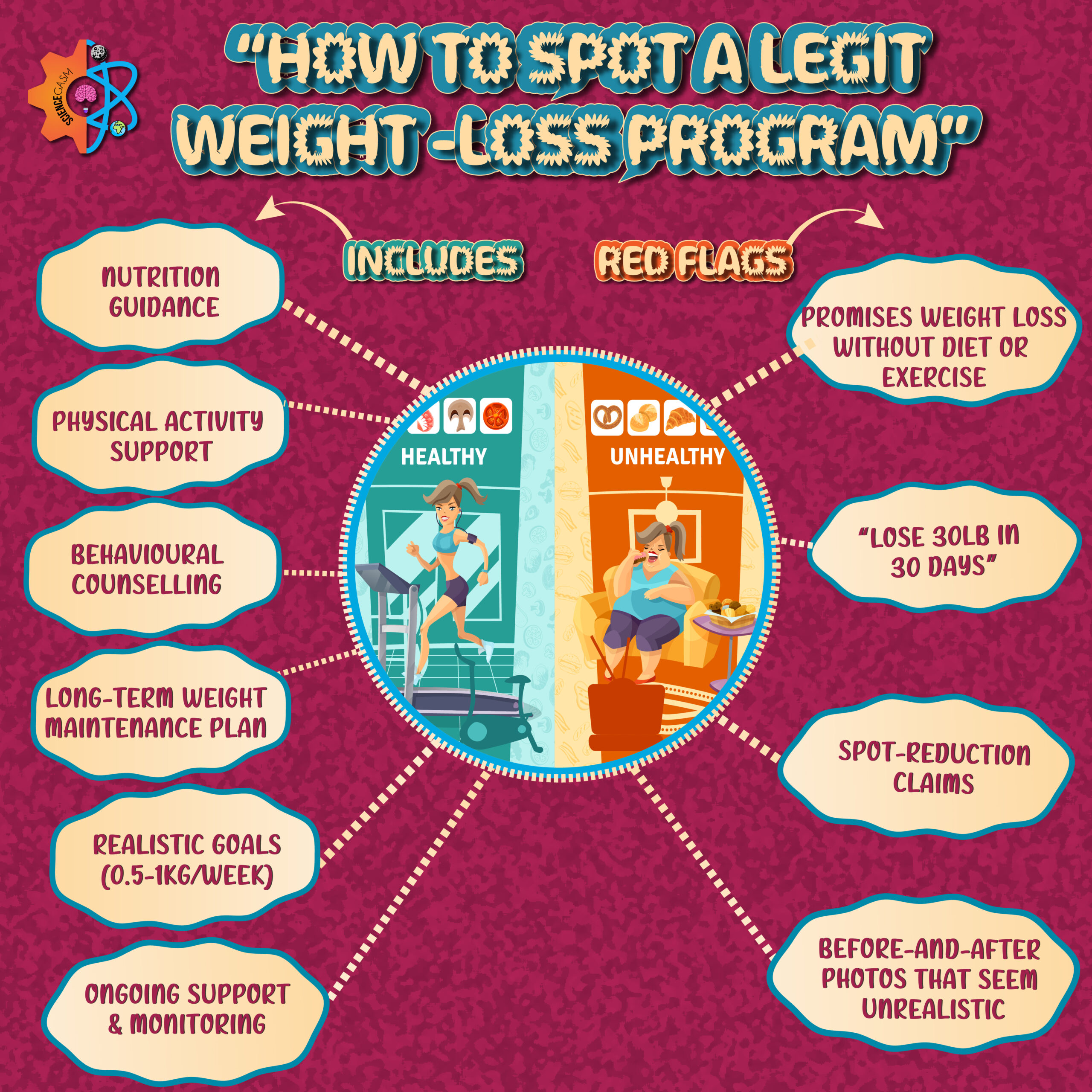
The programs have shown mild to moderate weight loss compared with usual care, and some have demonstrated small improvements in glycemic control, particularly in adults with type 2 diabetes. However, evidence does not support meaningful or sustained benefits for blood pressure, lipid profiles, cardiovascular outcomes, or long-term weight maintenance, and over-the-counter weight-loss products and supplements are not recommended due to lack of efficacy and potential safety concerns. The guidelines stress the importance of realistic weight-loss expectations (0.5–1 kg per week), long-term maintenance strategies, safety, and cost transparency, while cautioning clinicians and patients against programs that promise rapid or effortless weight loss.
How Obesity Affects the Body
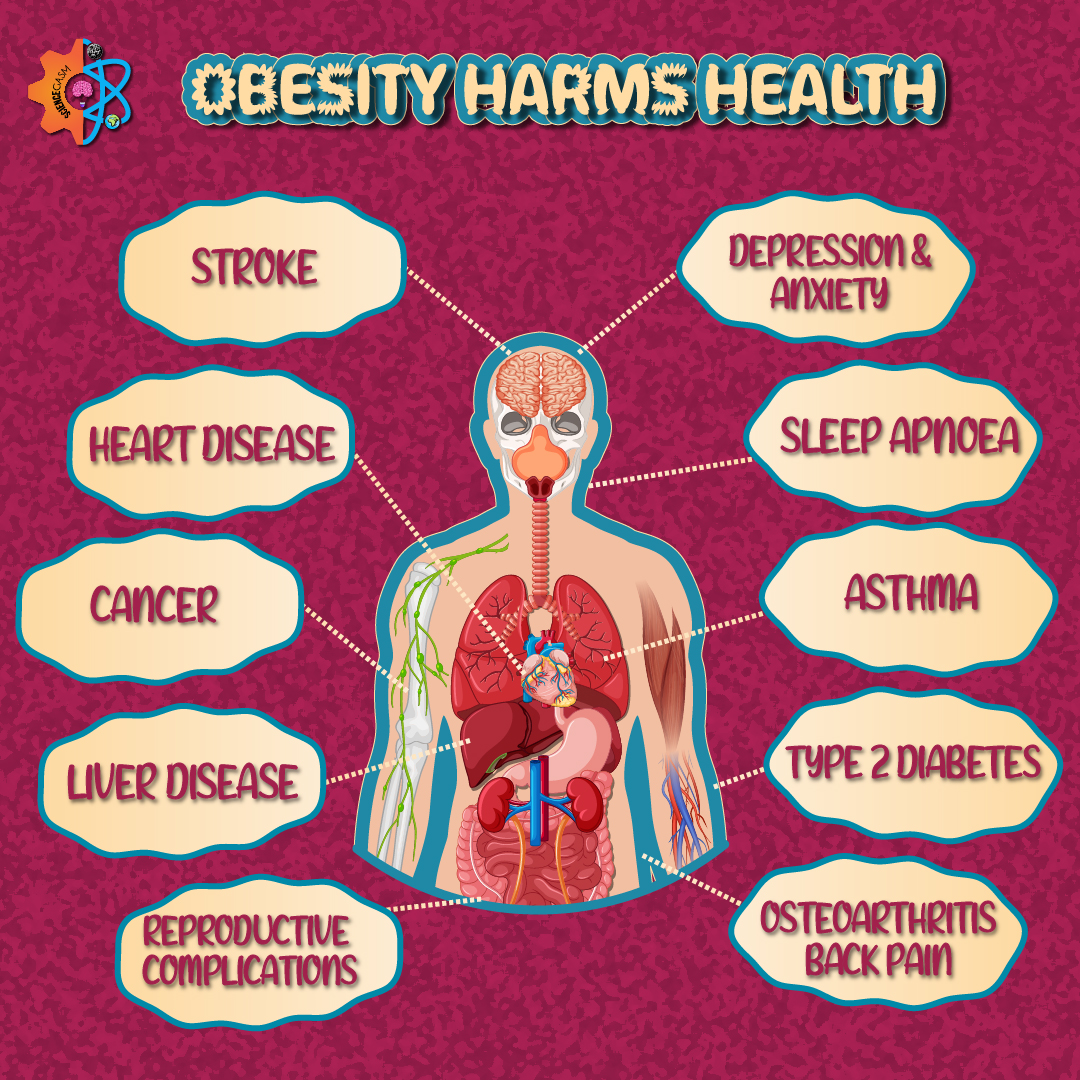
Obesity affects far more than body weight alone. It is linked to changes across multiple organ systems, increasing the risk of chronic diseases, mental health conditions, and reduced quality of life. Understanding these connections helps shift the conversation from blame to evidence-based care and prevention. Obesity leads to the following body system callouts:
- ❤️ Heart & Blood Vessels
Increased risk of heart disease and stroke - 🧠 Brain & Mental Health
Higher rates of depression, anxiety, and reduced quality of life - 🫁 Lungs & Sleep
Greater risk of sleep apnea and asthma - 🩸 Metabolism
Strong link to type 2 diabetes and insulin resistance - 🦴 Joints & Spine
Increased strain leading to osteoarthritis and chronic back pain - 🧬 Cancer Risk
Associated with higher risk of several cancers
Weight Loss Programs Help!
All of these body system callouts call for immediate action to counter weight gain and obesity. These health risks should help us to ponder over adopting a healthy and more active lifestyle. If we need help we should consider opting for weight loss programs which are available via governmental weight loss programs as mentioned above or other private weight loss programs which help to reduce obesity. We have prepared a small graphic below to help you spot legit weight loss programs from the scammy, money grabbing ones. Video game addiction can also be a big reason why some people can’t get themselves to do much physical activities learn more about it here.