Why 2026 is the Best Time to Become a Digital Nomad
Imagine attending a work meeting, sitting by the pool, sipping on a margarita, and soaking up the sun. Isn’t this the perfect workplace we always dreamt of? A decade ago, people would have laughed at the idea of someday living this dream. But today, when technology has removed all the barriers and brought people closer than ever, this has become a legitimate career path where individuals are more focused on productivity and achieving goals than worrying about what to wear to work tomorrow. However, one question that keeps bugging us is, “Is 2026 really going to be the year of digital nomads?” Seeing the recent trends, shift in work culture, and rise of technology, the answer would be a big YES! The world is transitioning from suffocating cubicles to working under the open skies. Let’s explore how being a digital nomad is the best thing to be in 2026.
Digital Nomads – Workers Without Borders
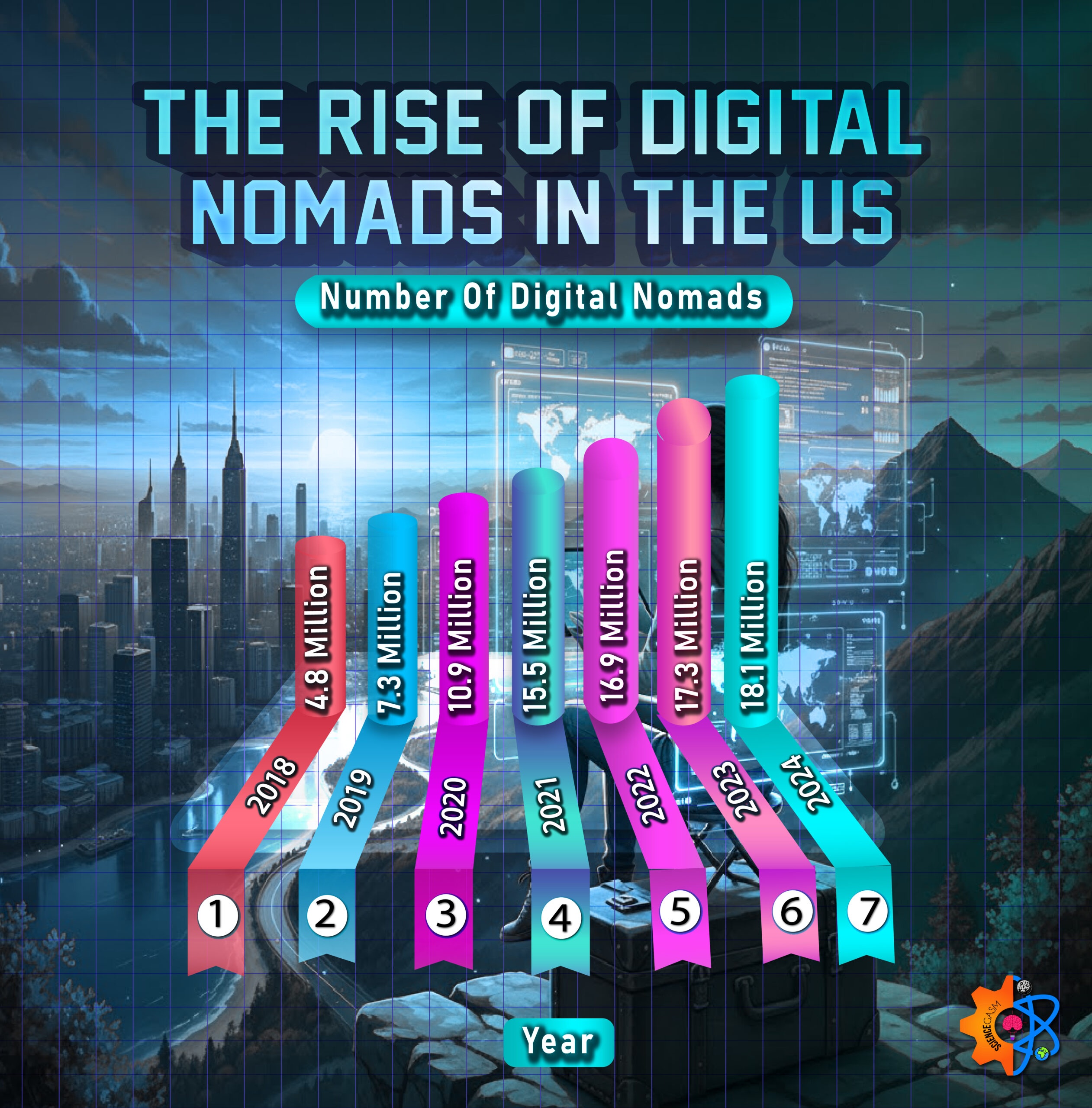
Are you still waiting for the Christmas holidays to visit the place you spent all year fantasizing about? Well, no more of that! Digital nomads, also called workers without borders, are reshaping the concept of working in an office. With a passport, an internet connection, and freedom to live and work from anywhere, they are blurring the lines between a workplace and a vacation spot. Now, you can work and travel across the world at the same time. It’s not only about mobility; the digital nomad lifestyle gives you the freedom to design your schedule according to your productivity cycle, managing workload and deadlines, while enjoying the view from your hotel in Bali. As of 2024, about 35 million people around the world have become digital nomads.
The Remote Work Wave
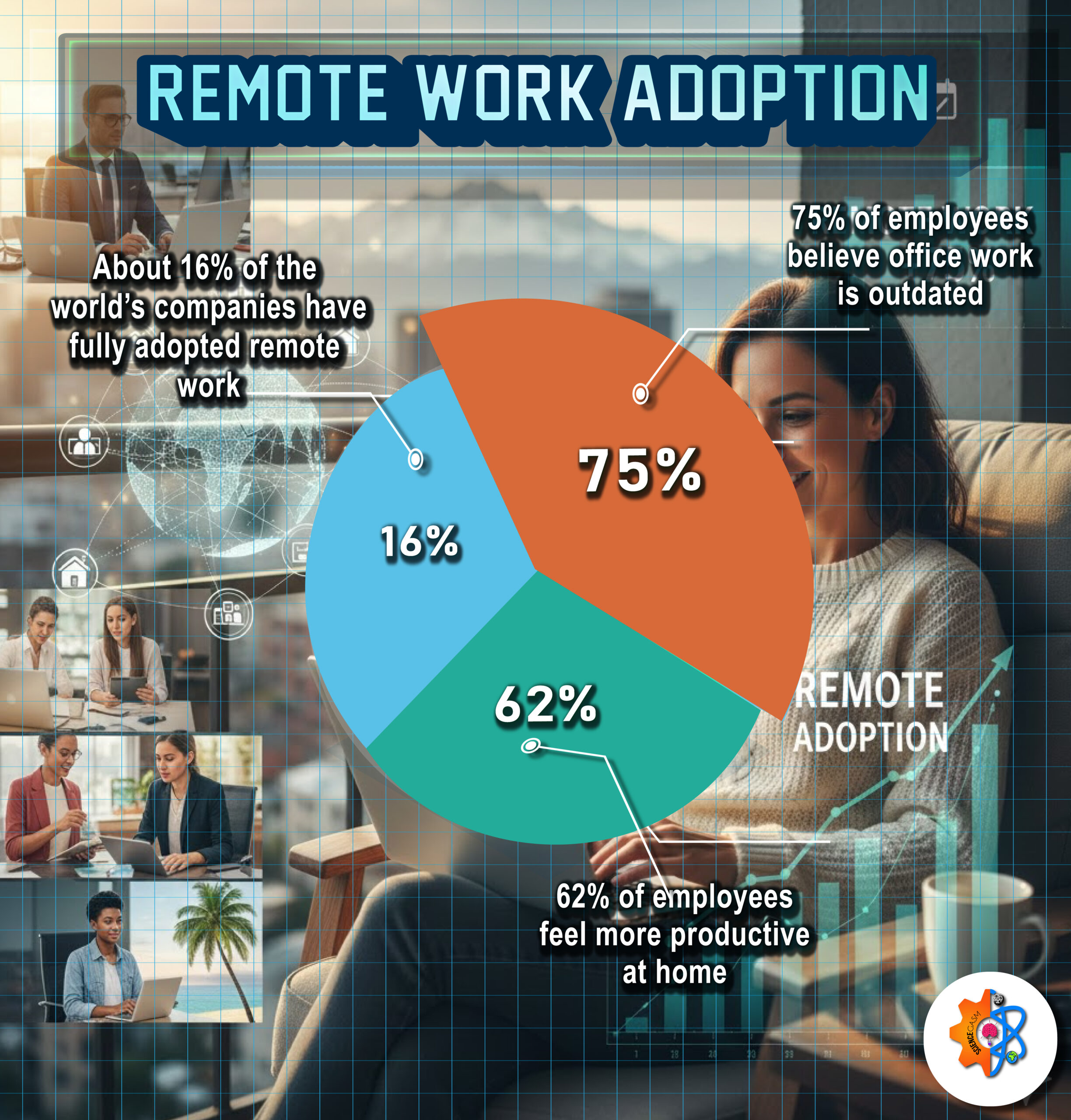
How did we go from working in a dusty, boring cubicle to working remotely from anywhere in the world? This all started as a temporary solution when the whole world went into isolation mode during the pandemic. During this time, when people worked from the comfort of their homes, they realized how working in an office, under the wandering eyes of their boss and being clocked for every break or exit, impacts their productivity and performance. This realization led employees to demand remote work days, which eventually became a non-negotiable part of their contracts. Companies are also enjoying the perks of giving their employees the freedom to work from any corner of the world, saving millions on office utilities, leases, and other in-office expenses. About 16% of the world’s companies have fully adopted remote work.
Tech Miracle – Your Office Now Fits in a Backpack
Technology plays a big role in the digital nomad lifestyle. A few decades ago, no one could even imagine having their office at home, let alone at vacation spots. Today, we are living in a world where every town, no matter how remote, has a running fiber-optic internet and 5G towers. This allows you to work seamlessly from any corner of the world. People are literally running entire businesses sitting in a cabin in the Alps. Technology has removed all borders, keeping you connected to your coworkers, even from miles away. AI and other smart productivity tools have replaced boring conference rooms, piles of documents, and fixed work hours.
What Does the Younger Workforce Want?
Millennials were just wishing for work-life balance, but Gen Zs are screaming for it. And Gen Alpha will not take a job unless it comes with remote work flexibility. The new generation is demanding the freedom to work from anywhere, at any time that suits them. They believe that rigid workplace rules and timings hold them back from showing their true potential and creativity. 75% of employees are convinced that they are forced to work from the office just because of traditional expectations. Meanwhile, 62% of employees say they feel more productive when they work from home. Old work policies of retirement and enjoying life after 65 aren’t for this generation. They want to live that life now, while also having a stable job they could earn a living from. Gen Z is demanding a kind of workflow that supports them, not consumes their entire life. They don’t build their lifestyles around work. They want careers that adapt to their lifestyles.
What Are Countries Doing to Attract Digital Nomads?
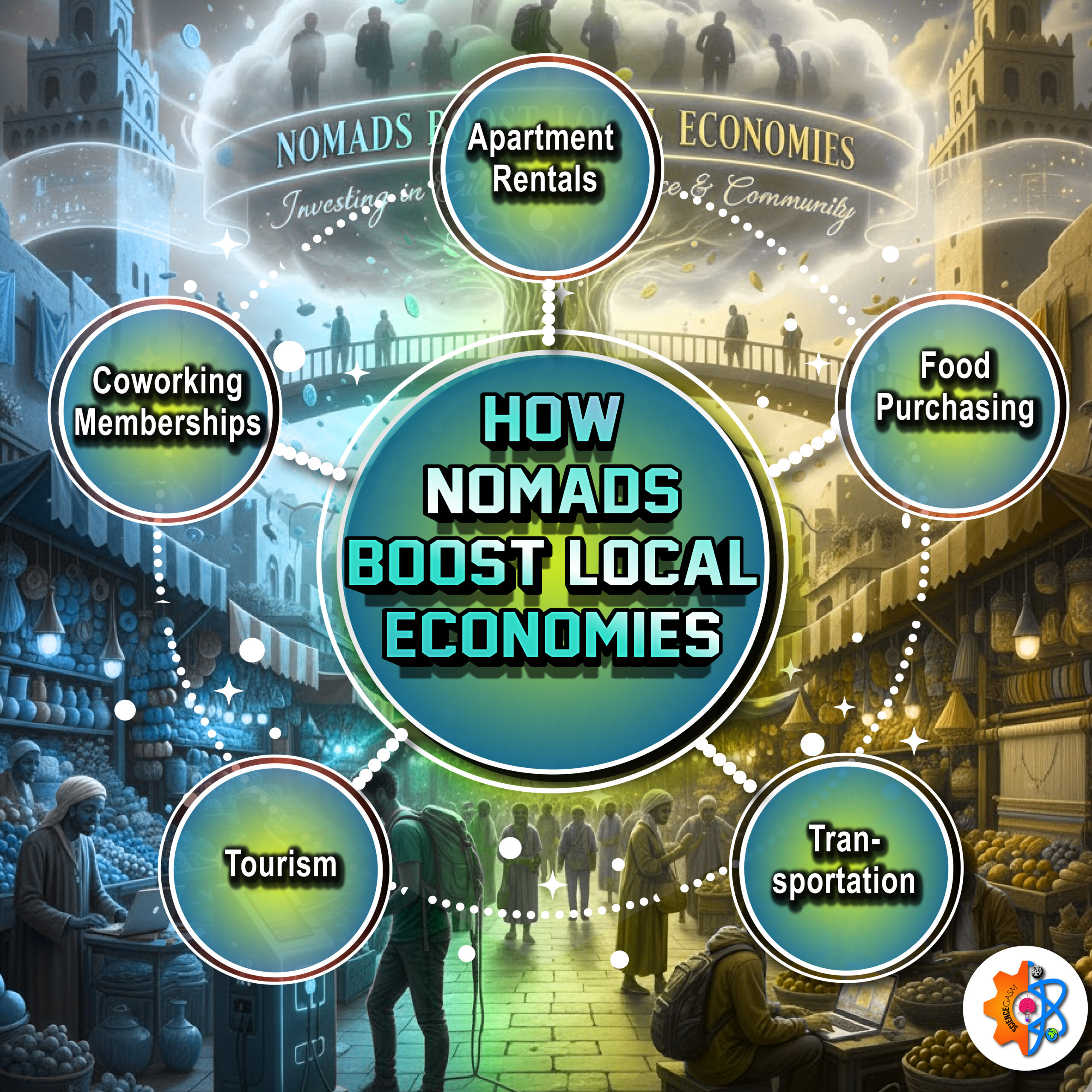
Digital nomads not only travel with their laptops, but they also carry entire economies in their backpacks. This emerging digital nomad lifestyle is bringing a larger number of tourists to countries around the world. People who used to plan their vacations all year long are now set to backpack across Europe. And these tourists are special, because they are not just paying for hotels or visiting museums, but they are renting apartments and coworking spaces, bringing money to the local economy. All that without even saturating the employment system! Could it get any better?! Today, over 50 countries are using digital nomad visas, longer stay permits, and tax exemptions as marketing tools to attract these roving professionals and boost their economies. And by 2026, more countries are expected to join the list.
Best Places for Digital Nomads in 2026
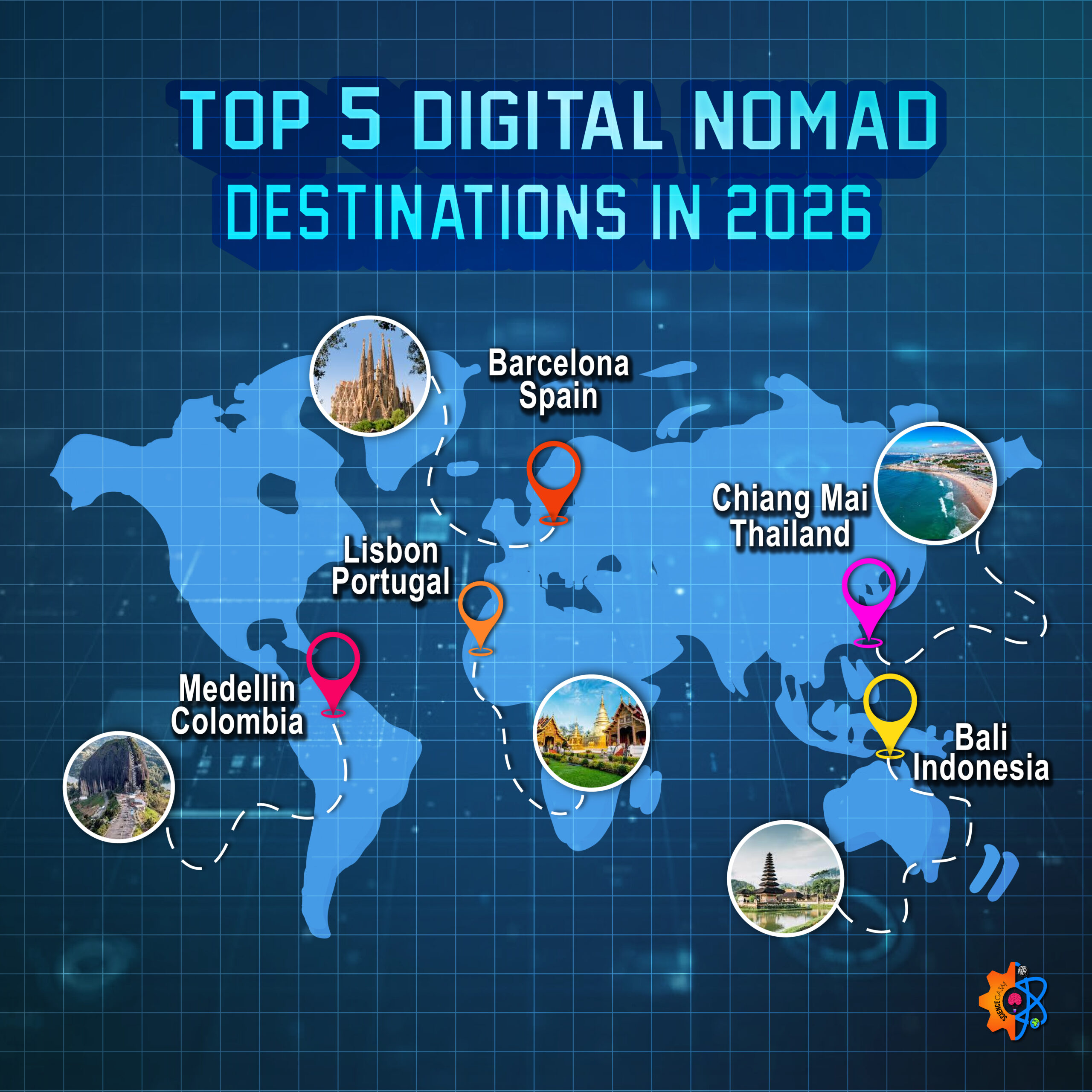
If you are a digital nomad looking for an affordable place to set up a temporary workspace, we have shortlisted the best countries to work remotely in 2026.
1. Lisbon, Portugal
Europe offers one of the best digital nomad visa programs, and Portugal is the most affordable country to start your digital nomad career from. It offers both rental coworking spaces and touring sites that allow you to work while also keeping your life in motion.
2. Chiang Mai, Thailand
Thailand is every digital nomad’s favorite temporary home. It offers multiple long-term visas to stay carefree in the paradise of remote work, where you can chase deadlines and enjoy your life at the same time.
3. Bali, Indonesia
In recent years, digital nomads have transformed Bali from a tourist spot into a hub of remote work. It is not only cost-effective, but it also promises a quality lifestyle, offering modern coworking spaces, light-speed internet access, and an environment that promotes productivity. Indonesia’s digital nomad visa is quickly gaining momentum, offering long-term stay permits and easy renewal processes.
4. Barcelona, Spain
Barcelona, with its rich culture and cheaper cost of living, is a perfect spot for digital nomads. Spain is the best place where both work and tourism can go hand in hand.
5. Madellin, Colombia
If you want to enjoy eternal spring, while staying in the same time zone as the US, Colombia would be the right place for you. It offers easy-to-get digital nomad visas that allow you to stay for at least 2 years in the country. Madellin has plenty of cafes, bars, and coworking spaces that provide good networking and a strong nomad community.
Is 2026 Going to Be the Year of Digital Nomads?
Not everyone is built for a digital nomad lifestyle. Some people prefer following a routine, waking up in the morning, going to work, signing out, getting back home, and then back to dreaming about retirement again. These are the people who don’t like waking up every day in a new place and packing their bags after every few months. But the new generation is more experimental, filled with enthusiasm, and of course, more vocal. They value their mental well-being and productivity above everything else. And they are choosing the digital nomad lifestyle. They believe they have a right to live an extraordinary life alongside their jobs. Companies have realized that they can no longer use their “Underpaid, overworked” strategies on the younger workforce. They have embraced the remote work culture and made it their standard corporate practice. On top of that, countries have realized that by rolling out the red carpet for digital nomads, they are strengthening their local economies. So, 2026 is going to be the year when we finally realize that work doesn’t need a location but motivation.